
Sustainability has moved from a buzzword to a buying criterion. Architects, builders, and even project managers in India and across the world are asking one question more carefully before they specify a material, and polycarbonate is one that often comes up for debate.
So, is it actually eco-friendly?
The honest answer is: it completely depends on how you look at it, and how prolong look.
Polycarbonate sheets are a petroleum-derived thermoplastic. That’s the part people flag first. But the full lifecycle picture is more interesting than a single-line dismissal.
It Lasts Much Longer Than Alternatives
A solid polycarbonate sheet can last around 20 to 25 years without significant degradation, and longer with a proper UV coating. A UV polycarbonate sheet manufacturer co-extrudes UV protection directly into the sheet surface, which prevents yellowing and brittleness over time. Fewer replacements means less waste, fewer raw materials used overall, and a lower total carbon footprint across the product’s life.
Compare that to conventional glass or metal roofing, which carry heavier extraction expense and far greater weight meaning more fuel burned in transport.
Energy Efficiency in Buildings
This is where thermal-insulated polycarbonate sheet options really earn their place in green construction conversations. Polycarbonate multiwall sheet manufacturer designs like twin-wall and multi-wall profiles trap air between chambers, offering measurable thermal insulation. Buildings fitted with these sheets needs less heating and cooling energy year-round.
Polycarbonate sheet for construction projects that aim for green ratings, this thermal performance contributes directly to energy efficiency credits.
Light Transmission without Heat Gain
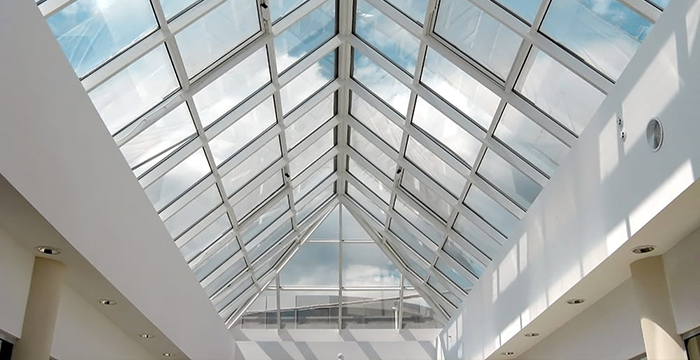
Polycarbonate roofing sheet installations permit natural daylight into spaces without the heat gain that comes with clear glass. Reduced reliance on artificial lighting cuts electricity consumption which, across a large warehouse or factory, adds up to a real number.
Recyclability: The Honest Part
Polycarbonate is technically recyclable, but infrastructure for recycling it at end-of-life is still limited in many regions. This is an area, the industry has room to improve. We have moved toward leaner production processes that reduce scrap and off-cut waste during manufacturing process.
What Makes the Difference Is Material Quality
Low-grade sheets degrade faster, leach more, and end up in landfill sooner. Sheets from a certified polycarbonate sheets manufacturer with strict quality controls tested for UV tolerance, structural load, and fire ratings perform longer and perform better.
If you’re working on a polycarbonate sheet for construction projects with a sustainability mandate, the question isn’t really “polycarbonate or not.” It’s “which grade, which manufacturer, and does the installation make the most of what the material offers?”
At Tilara, our range of solid polycarbonate sheet, thermal insulated polycarbonate sheet, and UV-protected variants is built for exactly these kinds of decisions.
If you’re evaluating materials for a green-rated project, talk to us. We’ll walk you through the specs that actually matter.