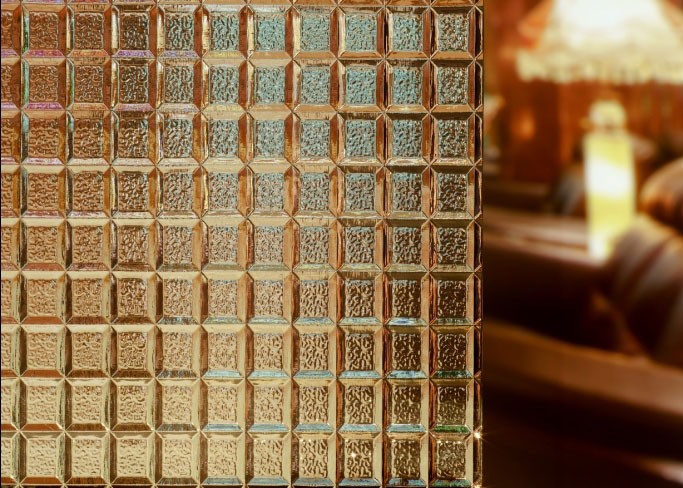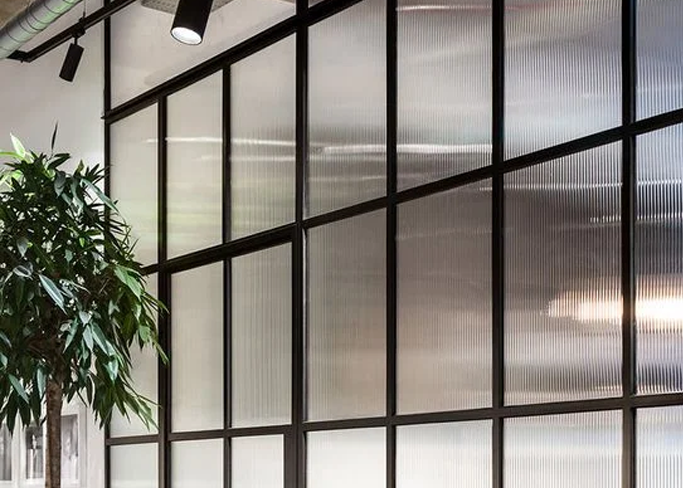
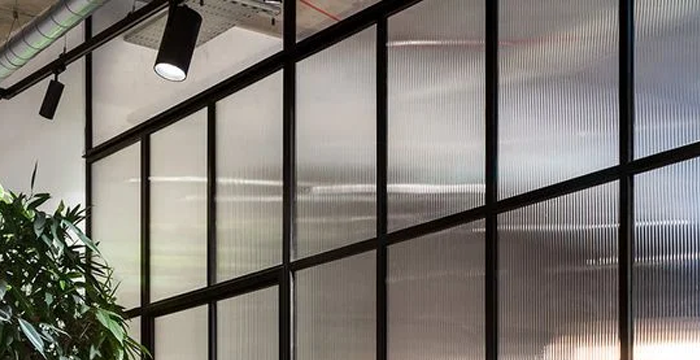
Modern workplaces are changing. Offices are becoming more open, factories are creating dedicated work zones, and industrial facilities increasingly need spaces that are practical without feeling closed off. In this changing environment, partitions have become more than simple dividers. They help organise space, improve visibility, and create functional areas without requiring permanent walls.
Polycarbonate partitions are one solution gaining attention for applications where lightweight construction, durability, light transmission, and flexible design matter. Polycarbonate is known for being lightweight and impact-resistant, while its availability in different forms, textures, colours, and transparency levels allows it to adapt to different interior and industrial requirements.
Why Consider Polycarbonate for Partitions?
Traditional walls make the room look permanent, limiting any further changes. Glass is transparent but heavy and fragile, thus being subject to impact. Polycarbonate serves as an alternative for those who wish to balance both transparency and functional efficiency in their construction project.
Its relatively low weight will facilitate installation and transportation. On the other hand, its resistance to impact is helpful when working in the environment that would put partitions at the risk of receiving accidental blows.
In the office setting, partition can be used to build meeting rooms, workstations, receptions, semi-privacy zones. Partition can also serve as separation between zones in the industrial building.
Maintain Light While Defining Spaces
One of the biggest advantages of transparent or translucent partition materials is that they can divide an area without making it feel dark.
In an office, natural or artificial light can pass through selected partition materials, helping maintain a brighter visual environment. In industrial facilities, transparent partitions can also allow employees to maintain visibility of adjacent work areas.
This balance is particularly useful when the objective is not simply to create a wall, but to reorganise a space while retaining visual connectivity.
Choose the Right Sheet for the Application
Not every partition requires the same material or configuration. The selection should depend on factors such as required transparency, impact resistance, thickness, surface finish, installation method, and the surrounding environment.
Solid polycarbonate sheets can be considered where a compact and robust sheet is required. Multiwall polycarbonate sheets contain internal chambers and are commonly used for applications where insulation and lightweight construction are relevant. The manufacturer also identifies multiwall sheets for applications including partitions and architectural glazing.
For interior applications where lightweight, shatter-resistant and decorative characteristics are important, other plastic sheet options may also be appropriate. For example, GPPS sheets are listed for office dividers, factory vision panels, decorative partitions, and similar applications.
The important point is simple: select the sheet according to the environment and purpose rather than treating every partition project in the same way.
Practical Benefits for Industrial Spaces
Industrial facilities often need flexibility. Production layouts may change, departments may expand, and specific areas may need to be separated without undertaking major civil work.
A lightweight partition system can make such changes easier to manage. Transparent or translucent sheets can also support visibility between areas, which may be useful for supervision and workflow.
Proper installation remains equally important. Correct cutting, handling, cleaning, fastening, and allowance for material movement can influence the long-term performance and appearance of the installation.
A Flexible Approach to Modern Offices
Offices today need spaces that can adapt quickly. A partition can create a private discussion area in the morning and support a different workspace arrangement later.
Polycarbonate and other plastic sheet solutions can offer architects and interior designers greater flexibility in terms of transparency, colours, textures, and configurations. This makes them suitable for businesses looking to combine practical space planning with a contemporary appearance.
Make the Partition Work for the Space
A good partition should do more than divide one room into two. It should support the way people use the space.
Before selecting a material, consider the level of privacy required, the amount of light desired, expected impact, maintenance needs, design preferences, and the installation structure. Tilara Polyplast offers polycarbonate solid, multiwall, and corrugated sheet solutions alongside other sheet products designed for different architectural and interior applications.
For modern industrial facilities and offices, thoughtful material selection can turn partitions into functional elements that support productivity, flexibility, and visual appeal. With the right specification and installation approach, HAR ROOF TILARA represents a broader approach to using engineered sheet solutions across contemporary spaces.
FAQs
Yes. They can be used for applications where lightweight construction, visibility, durability, and flexible design are required.
Yes. Depending on the sheet type and project requirements, they can help divide work areas while maintaining visibility and flexibility.
Consider transparency, thickness, impact resistance, surface finish, installation requirements, privacy needs, and the environment where it will be installed.