Weather conditions in India are varied. It ranges from scorching hot summers in Rajasthan and Gujarat to heavy rains on the Western Coast and humid weather in the south. Building material has to withstand varying environmental conditions. This is the reason that selecting a polycarbonate sheet for Indian weather conditions should consider more than just thickness or cost factors.
In roofing, skylights, canopies, industry, or architecture, choosing the right sheet can make all the difference in terms of longevity, energy efficiency, light transmission, and maintenance. So, what should you actually look for?
1. Consider UV Protection First
Sunlight exposure in the long term poses one of the largest problems for any outdoor applications. Unless protected from the sun rays, the sheet will lose its properties and look.
It is advisable to choose a polycarbonate sheet that will have reliable UV protection. The co-extruded UV protection is especially beneficial since it gets built into the sheet during production.
2. Choose the Right Sheet Structure
Polycarbonate sheets are not all designed for the same purpose. Solid, multiwall, and corrugated sheets each offer different performance characteristics.
Solid polycarbonate sheets will be appropriate when there is a need to have high impact resistance, high strength, and clarity. Multiwall sheets will be advantageous owing to the presence of air spaces within them which improve heat insulation.
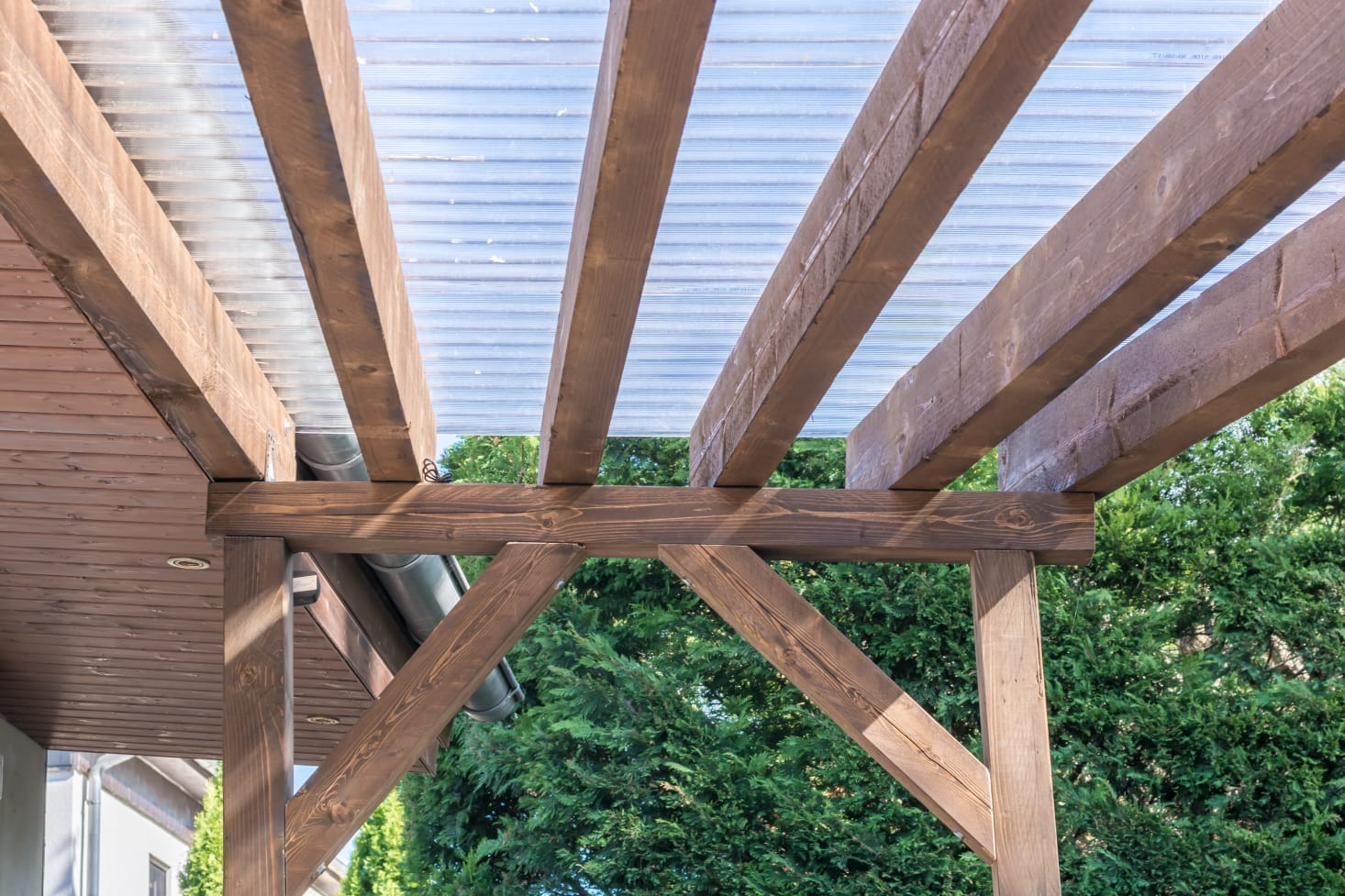
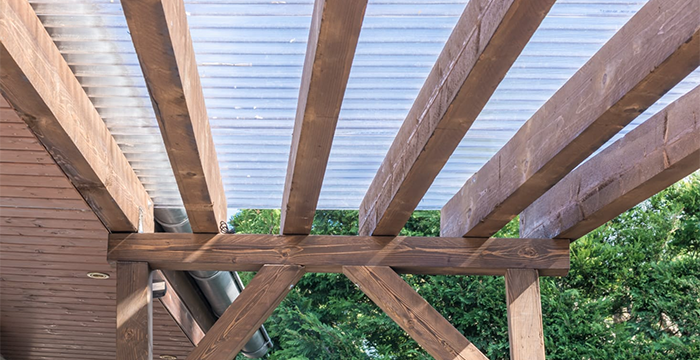
Corrugated sheets, meanwhile, can be a practical choice for roofing and day lighting applications where a lightweight and durable profile is required.
The right choice depends on what the structure actually needs not simply which product looks stronger.
3. Consider Sheet Thickness
Thickness should be selected according to the application, structural design, span, expected loads, and local environmental conditions.
The use of a thicker sheet will make the sheet more rigid and impact-resistant, though having the thickest sheet does not always equate to getting the most suitable one. It is just a matter of having the right combination of performance, weight, transparency, and price.
In cases where larger areas are to be covered or where there is bad weather, professional specification becomes critical.
4. Think about Heat and Light Together
Indian summers make thermal performance a practical consideration. A transparent sheet can bring valuable natural daylight into a space, but excessive solar heat gain can make the area uncomfortable.
Multiwall structures can help with insulation, while appropriate colours, thicknesses, and sheet configurations can influence the amount of light and heat entering the building.
For industrial skylights, warehouses, commercial spaces, and covered outdoor areas, the goal should be controlled daylight—not simply maximum transparency.
5. Do not Neglect Monsoon and Impact Resistance
Heavy rains, high wind speeds, and occasionally hail or any airborne material may impose extra strain on the roof system. The sheet itself is important, but also the installation system.
The support structure, right profile, proper fastenings, expansion provision, and correct sealing all go into making an effective system. Even an excellent sheet may perform poorly in a badly thought-out installation process.
6. Match the Sheet to the Application
The most reliable way to choose polycarbonate roofing sheets is to begin with the application.
Ask a few simple questions:
Is the sheet being used for roofing, glazing, or partitioning?
How much natural light is required?
Will the structure face strong direct sunlight?
Is thermal insulation important?
What wind and weather conditions are expected?
What span and structural support are available?
Answering these questions makes the selection process much clearer.
Make the Choice for the Climate, Not Just the Price
A polycarbonate sheet is a long-term building component, so the cheapest initial option may not always deliver the best overall value. UV protection, sheet structure, thickness, thermal performance, impact resistance, and installation quality all deserve attention before making a decision.
Tilara Polyplast offers solid, multiwall, and corrugated polycarbonate sheet solutions designed for varied architectural, industrial, and roofing requirements.
With the right specification, polycarbonate can provide a practical combination of durability, daylight, lightweight construction, and weather performance. And that is exactly what HAR ROOF TILARA is about making better roofing decisions by choosing the right material for the conditions it needs to face.
FAQs
The ideal sheet would depend upon the region, purpose of usage, sunlight exposure, structural aspects, and thermal aspects. There is no universal answer to this question.
Yes. Using polycarbonate sheets with appropriate UV protection, thickness, colour and structure, they can easily withstand heat in India.
Not necessarily. Thickness should be selected according to span, loading, insulation requirements, and application rather than choosing the thickest sheet available.