A roof is more than just a cover from the sun and rain. It also affects the amount of sunlight entering a room, its comfort and the amount of energy needed for common activities. Roofing materials are a major consideration as the building industry becomes more focused on making buildings more efficient. As architects, builders and property owners seek ways to make buildings more efficient, roofing materials are one of the areas under discussion. Polycarbonate sheets for roofs are some of the more recent choices and are being eyed for their daylight transmission, durability, lightweight design, and thermal properties.
One of the most interesting aspects of polycarbonate is that it can let natural light in wherever it’s needed instead of relying on artificial lighting. If installed and selected appropriately, these sheets can help create more functional and energy-efficient areas without sacrificing the functional needs of a roofing system.
Why Sustainable Roofing Needs More Than Just a Strong Material
Sustainable roofing is not just about the longevity of the material. It is also a matter of taking into account the interaction of the roof with the building during the roof’s lifespan.
An effective roofing strategy can achieve these goals: to manage daylight, to reduce the need for artificial lighting during daylight hours, and to allow for comfortable indoor conditions. This is especially important in large spaces such as warehouses, factories, workshops, commercial buildings, walkways, canopies, etc., where light may be needed in large amounts.
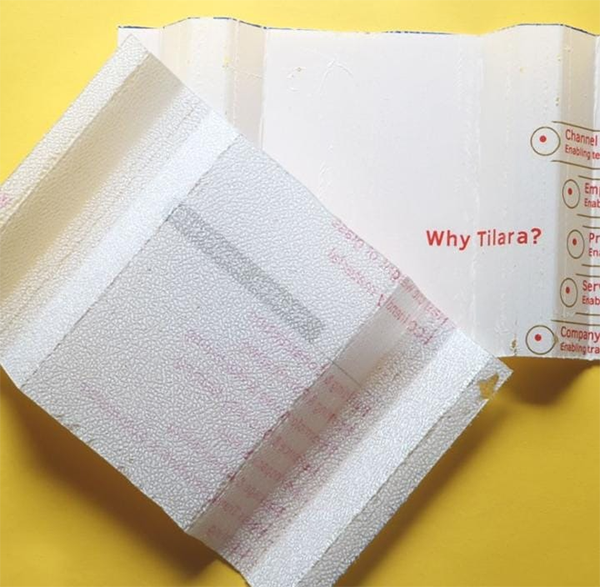
Industrial skylights and daylight panels for pre-engineered buildings, warehouses and godowns are made using the profiled polycarbonate sheets of TILRA Polyplast. The company points to potential energy savings in these applications in terms of power savings.
How Polycarbonate Can Bring More Daylight Indoors
The transparency to natural light is one of the best features of polycarbonate roofing.
A few translucent or transparent polycarbonate panels can be used instead of opaque roofing in selected areas. During the day, daylight can then reach work areas, potentially resulting in savings in artificial lighting.
This is a great idea in large industrial buildings. Natural lighting can be shared throughout an area that would otherwise be reliant on electric lights by using a strategically placed daylight panel or skylight.
But the goals should not be limited to maximum transparency. All these need to be taken into account together: amount of light, amount of heat gain, sheet structure, colour, building orientation.
Thermal performance matters too!
Energy efficiency is so much more than just lighting. Others may also be concerned about the effect of heat gain through the roof on indoor comfort and cooling needs.
The thermal properties vary with the various types of polycarbonate structures. Multiwall sheets, for example, have internal air spaces which insulate and can help regulate heat transfer. Tilara’s product information emphasises the insulation properties of its multiwall polycarbonate sheets, with each structure and thickness providing a specific level of thermal characteristics.
This means that the selection of materials is crucial. The roofing material must be selected based on the building’s climate, application, light transmittance, thermal insulation, structural conditions, and not only based on transparency.
Lightweight Roofing Can Aid in Efficient Building.
The other reason that makes polycarbonate a good choice for contemporary roofing is its relatively lightweight construction.
Depending on the roofing material, it may be easier to handle and install in large roof areas, for example, or in any building where weight reduction is desirable. Polycarbonate can also be extruded into various profiles and configurations for different architectural and industrial applications.
Tilara Polyplast provides solid, multiwall, corrugated polycarbonate sheets, as well as profiled solutions for daylighting applications.
The range provides designers and project owners with various options for light transmittance, insulation, durability, and aesthetics.
UV Protection Helps Extend Outdoor Performance
Another key factor in roofing sustainability is durability. A material that is effective for a long time means that it requires replacement less often.
A key factor in outdoor use of polycarbonate is exposure to UV. UV protection can be added to quality sheets to ensure performance and appearance over extended periods of sunlight. Tilara Polyplast’s polycarbonate sheet solutions feature co-extruded UV protection, and product information includes UV-protected versions for a variety of applications.
Roofing users, therefore, must take into account the sheet itself and the protection it offers against UV rays, sheet thickness, structure, installation process, and the environment to which it is subjected.
Where is the use of polycarbonate applicable for energy-efficient roofing?
The range of possibilities goes far beyond the traditional roof for a home.
Polycarbonate sheets for roof applications can be considered for:
Skylights and panels for daylighting in industrial workrooms
- Warehouses and godowns
- Factory roofing
- Workshops
- Paved or covered walkways and passageways
- Canopies and pergolas
- Commercial spaces
- Greenhouses
- Pre-engineered buildings
The right application depends on the project’s structural and environmental requirements. For example, a warehouse may benefit from strategically positioned daylight panels, while a pergola may prioritise a balance between shade and natural illumination.
Selecting the appropriate polycarbonate roofing solution
A polycarbonate sheet is not guaranteed to have the same performance as another. Take the sheet structure, thickness, light transmittance, UV protection, thermal needs, colour, span, support structure and local weather into account before choosing a product.
Additionally, it is vital that the polycarbonate roofing sheet supplier is experienced enough to offer the appropriate type of polycarbonate roofing sheet for the planned application. Unqualified installation is also critical, as installation, support spacing, expansion allowances, sealing and sheet orientation can affect long-term performance.
Tilara Polyplast’s polycarbonate roofing/ day lighting solutions come in a variety of styles and are optimized for different architectures, industrial and construction applications. It offers a variety of polycarbonate sheets such as solid, multiwall, corrugated and profiled.
Can Polycarbonate Help Shape the Future of Sustainable Roofing?
While polycarbonate is not the solution to all sustainability issues, and its use does not guarantee an energy-efficient building, it can offer meaningful advantages when properly specified and integrated into a well-designed roofing system. It can provide daylighting benefits, useful thermal performance, long-lasting construction, and flexibility in practical building design.
Going forward, the focus of roofing is likely to shift toward the performance of the roofing material as part of the overall building rather than as a standalone product. In this regard, polycarbonate offers a combination of daylighting opportunities, durability, and design flexibility that can support more thoughtful roofing solutions. HAR ROOF TILARA reflects this approach by focusing on roofing as part of a broader, practical building strategy.
When architects, builders, and project owners look for ways to improve energy efficiency in their buildings, the right polycarbonate sheets for roof can become part of a larger strategy for making more efficient use of natural resources.
FAQs