
Industrial roofing is no longer just about keeping a building dry, warm and protected from the elements.Present-day factories, warehouses, workshops, agricultural premises, and commercial buildings require durable roofing materials that allow natural lighting, are easy to install and have a long lifespan.
That’s where corrugated polycarbonate roofing takes over the design of modern industrial roofs.They are both lightweight and durable, offering an alternative to a number of traditional roof materials whilst adding flexibility to industrial buildings.
What Makes Corrugated Polycarbonate Sheets Different?
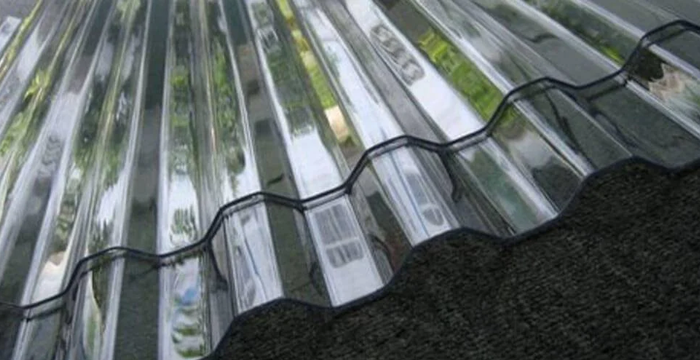
The corrugated structure provides a sheet that has strength but is not overly heavy. This makes handling and installation easier, particularly for large-scale industrial roofing installations. In addition, polycarbonate is highly impact-resistant and can withstand harsh outdoor environments.
It is considerably less prone to break under normal industrial use as compared to a traditional glass roof. The material can also be manufactured in a variety of colours and profiles, giving architects and project designer’s greater flexibility in designing industrial spaces.
Light transmission is also an advantage. The covered area can allow natural daylight depending on which sheet is selected, which will decrease the need for artificial light during the day. How to make natural light work in industrial environments.
For large factories or warehouses, there may be a need for significant lighting on a day to day basis. Installation of transparent or translucent roofing sections can be effective to introduce daylight into areas which would otherwise be reliant on electrical lighting.
This is especially helpful for manufacturing units, workshops, warehouses, passageways, covered work areas, and more. Opaque roofing systems can be balanced to an optimum combination with translucent polycarbonate sections to provide a practical combination of protection and daylight in a well-planned roof.
It’s not just about making a building brighter. Other benefits of using daylight include a more comfortable working environment.
Constructed to meet modern industrial roofing needs.
Industrial buildings have to experience different weather conditions all year round. Roofing materials may be influenced by time due to intense sunlight, rain, temperature changes, dust and moisture.
For industrial roofing solutions, therefore, it is important to look for more than just coverage. Some of the properties that make Polycarbonate sheets valuable for various industrial applications include lightweight construction, durability, and resistance to weather elements.
The corrugated profile also ensures proper drainage of water when used properly. This makes the sheets an efficient solution for sloped roofing structures where managing rainwater is important. A lightweight material that makes installation simple and convenient.
Roofing jobs frequently consist of massive surface areas, and the weight of the material may affect the overall structure, transportation, and handling and installation process.
Polycarbonate sheets can be lighter in weight than other types, making them easier to handle for installation teams. This may be useful for projects in which it’s important to avoid complications in installation.
But the proper installation is still important. The design of the roof, the profile of the sheets, the distance between the supports, the fasteners, overlaps, expansion allowances are matters that should be taken into account based on the project requirements.
More than Just a Roof
Roofs are increasingly expected to play a role in the overall functionality of a building, one of the largest changes in modern industrial architecture.
A roofing system could impact the amount of natural lighting, visual ease, ventilation planning, energy consumption, maintenance, and even the look of the structure.
This is why polycarbonate roofing sheets are being used outside of roofing applications. They can be installed in factories, warehouses, industrial sheds, walkways, loading areas, agricultural buildings, skylight sections and other areas that need to be protected from the weather and light with control.
The choice of roofing material is not just a matter of construction in the case of industrial projects. It can be incorporated into the building’s performance program.
Why Industries Are Looking for Better Roofing Materials
Industrial buildings are increasingly being designed for performance. Companies prefer materials that will not pose an unnecessary problem for maintenance and upkeep. This has led to an increased interest in more modern materials like polycarbonate.
They offer a unique blend of strength, lightness, day lighting and versatility, making them an ideal choice for a project that demands a complementary mix of attributes that a roofing material may not offer. Tilara Polyplast’s mission is to create sheet products that respond to evolving construction and industrial needs.
It’s very easy to understand; roofing should shelter, facilitate and enhance. The Har Roof Tilara approach is all about thinking practically about material solutions to all roofs where performance is key.
The Future of Industrial Roofing
In the field of industrial roofing, it’s gradually shifting the focus from the roof as just a protective barrier over a building to something else. Light weight construction, the ability to see natural light, durability, design flexibility, and efficient installation are becoming more and more important.
The corrugated polycarbonate technology is well suited to this change. It provides an alternative solution for the industrial designers and building owners in developing “modern” and “durable” roofing systems which are functional.
FAQs
Yes. They can be used for factories, industrial sheds, walkways, agricultural building, and other application that need lightweight and durable roofing.
Yes. Polycarbonate sheets can be used to let in natural light into the covered area, depending on the type, colour and transparency chosen, while protecting the outside environment.
There are many factors to consider when designing a roof to be installed correctly and to perform over extended periods of time, such as roof design, sheet profile, thickness, support structure, fixing method, overlaps, weather, and thermal expansion.
Conclusion
Strong, lightweight, daylight and design flexible, corrugated polycarbonate sheets are making a difference in the redefinition of industrial roofing. Overall, polycarbonate is expected to be a key player in the development of more intelligent and efficient industrial buildings in the future.
In conclusion, polycarbonate is a material that has the potential to be a significant component in the creation of more intelligent and efficient industrial buildings. As projects demand durability and natural light to go hand-in-hand, the right polycarbonate roofing solution can make a difference.